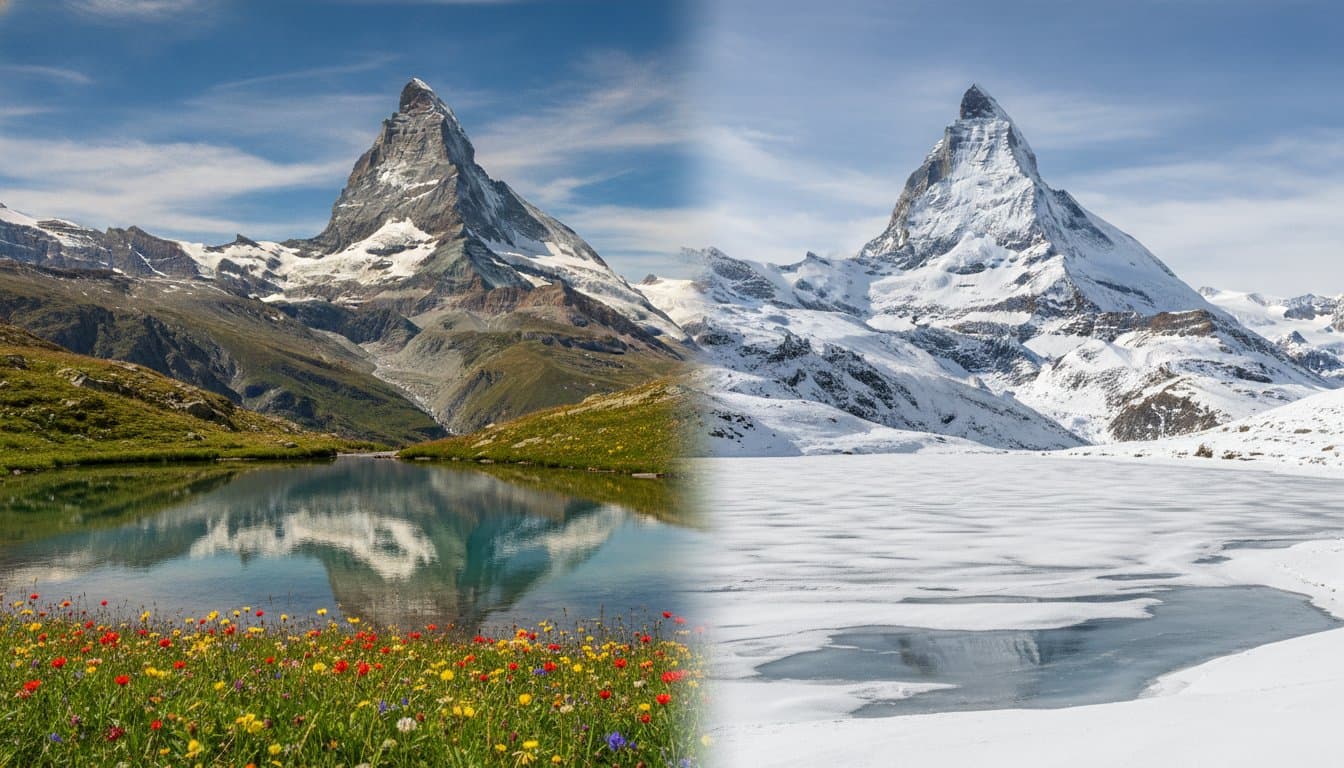
The most exquisite moment to experience the Alps is not a fixed date on a calendar, but a deliberate choice between vibrant alpine energy and the refined, quiet elegance of the changing seasons. Finding the best time to visit Switzerland requires looking beyond standard travel brochures to discover when the landscape truly speaks to your soul. You might fear that heavy mountain fog will steal your views of the Eiger, or perhaps you worry that the mid-summer crowds in Lucerne will shatter the serenity you seek. It is a common anxiety, especially when seasonal closures of high-altitude paths can turn a dream itinerary into a logistical puzzle.
This seasonal connoisseur’s guide for 2026 promises to transform that uncertainty into a perfectly timed masterpiece of travel. We will reveal how to navigate the new ETIAS requirements and the nuances of private luxury transfers to ensure your journey is defined by exclusivity. From the sun-drenched peaks of the Jungfrau region to the festive, velvet glow of a Swiss winter, you'll learn how to capture the country's most legendary sights with effortless grace. Your bespoke adventure starts with understanding the rhythm of the mountains.
Key Takeaways
- Discover why the best time to visit switzerland depends entirely on your personal vision, whether you crave sun-drenched peaks or festive winter serenity.
- Master the nuances of Swiss seasonality to choose between the vibrant, snow-free trails of high summer and the exclusive, spa-centric luxury of a mountain winter.
- Learn how the "insider" shoulder seasons of spring and autumn offer unparalleled personal space at iconic sites and a front-row seat to nature's most dramatic color shifts.
- Understand the "Onion Principle" of alpine weather and how private, driver-guided tours provide the ultimate flexibility to adjust your itinerary for perfect views.
- Prepare for your 2026 journey with essential updates on travel authorizations and peak-season trends to ensure a seamless, high-tier experience.
The Four Faces of the Alps: An Introduction to Swiss Seasonality
Switzerland is a year-round masterpiece, a rare corner of the world where every season offers a distinct, high-tier experience. While many travelers obsess over finding the single best time to visit switzerland, the truth is that the country's beauty is constant; only its personality shifts. In 2026, the savvy traveler looks for more than just a date on a calendar. They look for the intersection of pristine landscapes and personal space. It's about matching the rhythm of the mountains to your own internal clock.
The "Onion Principle" is essential for understanding this landscape. As you move from the palm-lined shores of Lake Lugano to the icy majesty of the Jungfraujoch, you're peeling back layers of climate. Latitude matters, but altitude dictates the day. High season in 2026, particularly July and August, brings a vibrant energy and long, golden sunsets. Conversely, the shoulder seasons of late spring and early autumn offer a serene exclusivity that mass-market itineraries often miss. Even the quietest months possess a brooding, cinematic beauty perfect for those seeking deep reflection and artisanal discovery.
The Altitude Factor: One Country, Many Climates
It's entirely possible to enjoy a sun-drenched lunch in a Zurich cafe while the peaks of the Bernese Oberland remain locked in a sparkling winter embrace. This dramatic variation is a hallmark of the Climate of Switzerland, where vertical distance is just as important as horizontal travel. Micro-climates mean your morning might involve the scent of blooming magnolias and your afternoon the crisp, sharp bite of glacier air. For the 2026 traveler, a Swiss micro-climate is a localized atmospheric system where dramatic shifts in temperature and visibility occur within minutes due to the complex alpine topography. These shifts require a flexible mindset and an expert eye to navigate successfully.
Bespoke Travel: The Private Tour Advantage
Standard itineraries often fall victim to the whims of the mountains, but luxury travel is about maintaining control. A professional guide acts as your local connoisseur, reading the sky and pivoting your day with effortless excellence. If morning mist obscures the Matterhorn, your guide might suggest a detour to a secluded alpine distillery or a sun-soaked vineyard tour in the valley. They know the vantage points that remain clear when the peaks are shy.
Traveling in a modern, climate-controlled luxury vehicle ensures your comfort remains absolute, whether you're navigating a summer heatwave or a crisp winter breeze. By planning your journey with Swiss Epic Tours, you gain the ultimate seasonal advantage. Their experts specialize in "weather-proofing" your trip, ensuring that the best time to visit switzerland is whenever you choose to arrive. Every transfer and private excursion is an exercise in total reliability, allowing you to focus on the awe-inspiring scenery while the logistics disappear into the background.
Summer Splendour (June to August): The Zenith of Alpine Exploration
Summer in the Swiss Alps is a symphony of light and color. The days stretch luxuriously toward ten o'clock, offering ample time for both high-altitude adventure and refined lakeside repose. Many connoisseurs argue that the best time to visit switzerland is during these radiant months when the landscape is at its most accessible and vibrant. The air is perfumed with the scent of sun-warmed pine and wild thyme, while the meadows transform into a mosaic of gentians and edelweiss. It is a season of pure, unadulterated energy.
August 1st marks the Swiss National Day, a legendary celebration where heritage takes center stage. From the heights of the Rigi to the shores of Lake Zurich, bonfires illuminate the peaks and fireworks dance across the water. It’s a moment of profound cultural pride. However, high summer also brings the challenge of popularity. To maintain a sense of serenity, private excursions become essential. While the Official Switzerland Tourism portal highlights the myriad of events, the true luxury lies in having a guide who knows the secluded vantage points away from the bustling crowds. You don't just see the sights; you experience them in total intimacy.
Lakeside Elegance and Mountain Breezes
The allure of the water is irresistible when the valleys bask in the summer sun. A private boat tour on Lake Lucerne or Lake Geneva offers a perspective that land-bound travelers simply miss. You can glide past historic estates and hidden coves, feeling the cool spray against your skin before docking for a gourmet lunch. When the heat of the city rises, your driver-guide can whisk you away to 3,000-metre summits like Mount Titlis or Pilatus. The transition from the balmy lakeside to the crisp, eternal snow of the peaks is exhilarating. Evenings are best spent on the grand terraces of lakeside resorts, where the social life is as sparkling as the vintage champagne.
The Grand Tour in Full Bloom
Summer is the only window of the year when the high mountain passes, such as the Furka and Grimsel, are fully open to traffic. This makes it the definitive season for a Multi-day Grand Tour of Switzerland. You can traverse the spine of the Alps, capturing iconic vistas of the Eiger, Mönch, and Jungfrau under piercingly blue skies. While standard ticket prices for excursions like the Jungfraujoch are approximately 10-15% higher during this peak period, the clarity of the views and the sheer scale of the accessible terrain justify the investment. If you're looking for a shorter escape, our private day tours switzerland provide a seamless way to witness this seasonal glory without the logistical stress of navigating peak-season traffic.
A Winter Fairytale (December to March): Snow, Spas, and Festive Elegance
When the first heavy snowfall blankets the cobblestones of Zurich and the peaks of Zermatt, Switzerland undergoes a legendary transformation. For the traveler who values intimacy over adrenaline, the months from December to March represent the best time to visit switzerland. It is a period defined by the velvet glow of lantern-lit streets and the serene exclusivity of alpine retreats. While the world flocks to the slopes, a more refined audience finds solace in the grand hotel lobbies where cedar logs crackle in oversized fireplaces. Here, the winter air is a crisp, invigorating perfume that heightens every sense.
Navigating this frozen landscape requires a commitment to both safety and sophistication. This is why winter is the most atmospheric season to utilize luxury chauffeur services. Instead of contending with icy mountain passes or the chill of a train platform, you're cocooned in a modern, climate-controlled vehicle. Your driver, a local connoisseur of the terrain, ensures your transit between snow-dusted cities and high-altitude spas is seamless. It is the ultimate expression of total reliability in an unpredictable climate.
Festive Traditions and Winter Markets
The Swiss Christmas markets are a masterclass in festive elegance. From the sprawling stalls of Basel to the intimate, artisan-focused markets in Bern, the aroma of roasted chestnuts and spiced wine creates an intoxicating atmosphere. Traveling by private car allows you to visit multiple markets in a single day, escaping the cold whenever you wish. The winter season also invites a deeper engagement with Swiss gastronomy. The ritual of fondue and raclette is best experienced in a secluded mountain chalet, where the melted cheese and local white wine provide a warm contrast to the starlit snow outside. For those seeking a grand finale, the New Year's Eve celebrations in St. Moritz or Gstaad offer an exclusivity that is simply unmatched.
The Non-Skier’s Winter Wonderland
You don't need to clip into skis to experience the majesty of the Alps. Panoramic cable car ascents to the Top of Europe or Mount Titlis provide breathtaking views of a world carved in ice. For a slower pace, the serenity of a horse-drawn sleigh ride through the Val Roseg offers a fairy-tale experience that feels entirely removed from the modern world. Perhaps the most indulgent winter pursuit is the thermal bath. Immersing yourself in mineral-rich, steaming waters while snowflakes drift onto your shoulders is the ultimate Swiss wellness experience. It is a moment of pure, silent awe.

The Insider’s Choice: Navigating the Exclusive Shoulder Seasons
While mass-market travel guides often dismiss the "between-times" as quiet or inactive, the true connoisseur recognizes these months as the secret season of the Alps. Choosing to travel during the shoulder months isn't just about avoiding the mid-summer rush; it's about reclaiming personal space at the world's most iconic sites. Many travelers overlook these transitions, yet for those seeking a deeper, more intimate connection to the landscape, this is arguably the best time to visit switzerland. It is a period when the local rhythm returns, and the scenery is yours to savor in total exclusivity.
Navigating the shoulder season requires a sophisticated touch, as high-altitude cable cars often undergo maintenance and mountain passes may remain closed. However, a professional guide turns these logistical nuances into opportunities. While others might feel frustrated by a closed trail, your guide knows the secluded valley path or the private vineyard that is just reaching its peak beauty. This "weather-proofing" of your itinerary ensures that your experience remains grand and legendary, regardless of the month. It's about shifting focus from the high peaks to the vibrant, living culture of the valleys and cities.
Spring: A Symphony of Green and White
In April and May, the Swiss landscape performs its most dramatic act of transformation. You can stand in a valley carpeted in blooming apple blossoms and vibrant emerald grass while looking up at peaks still draped in heavy, pristine white snow. This contrast is a sensory delight, best experienced through cultural tours through historic cities like Lucerne or Bern, where the lakeside promenades come alive with the first warmth of the year. Spring is also the time of the legendary cattle processions, a deep dive into Swiss agricultural heritage where cows are adorned with elaborate flower crowns. It is a moment of pure, authentic joy that remains largely untouched by mass tourism.
Autumn: The Photographer’s Dream
As the summer heat fades into a gentle, honeyed warmth, the landscape enters a masterclass in golden light. September and October offer the best visibility for mountain photography, with a crispness in the air that makes the Eiger and Matterhorn appear almost close enough to touch. The vineyards of Lavaux, a UNESCO World Heritage site, turn into a sea of incandescent gold, while the larches of the Engadin valley shift to a brilliant amber. This is the season of the wine harvest and the Chasse (game season), where local menus feature rich delicacies like venison, chestnuts, and wild mushrooms. Choosing the shoulder season proves that the best time to visit switzerland is often found in these quiet, golden moments between the peaks. To secure your place in the most exclusive season of the year, explore our Swiss Alps private tours and let us curate your perfect autumn or spring escape.
Tailoring Your 2026 Journey: Choosing the Month That Matches Your Vision
Your vision for a Swiss escape is as unique as the jagged silhouette of the Matterhorn. Perhaps you dream of the high-altitude energy of a mid-summer festival, or maybe you crave the silent, snow-dusted solitude of a mountain spa. Determining the best time to visit switzerland is ultimately an exercise in matching your personal rhythm to the heartbeat of the Alps. Because 2026 introduces new logistical layers, such as the mandatory ETIAS travel authorization starting in the final quarter, early coordination is no longer just a suggestion. It's a necessity for the discerning traveler. High-season luxury hotels in resorts like Zermatt or St. Moritz can exceed $1,000 per night, making early booking essential to secure your preferred vantage point.
The Month-by-Month Decision Framework
For sun-seekers who crave the zenith of alpine energy, July and August remain the gold standard. These months offer the most reliable weather for grand excursions like our Jungfraujoch - Top of Europe Private Tour, though you should expect prices for such peaks to be 10 to 15 percent higher than in the shoulder seasons. If you value solitude and incandescent scenery, June and September provide the perfect balance. You'll find the mountain trails are either waking up with spring blooms or settling into a golden autumn slumber. December is the undisputed choice for festive romance. The velvet glow of Christmas markets and the aroma of roasted chestnuts create a truly legendary atmosphere that justifies the winter chill.
Final Expert Tips for Your Swiss Adventure
Before you step into your luxury vehicle each morning, we recommend the "Webcam Rule". Your guide will check live summit cameras to ensure the peaks are clear, pivoting your itinerary in real-time if a cloud decides to linger. This flexibility is the hallmark of a high-tier experience. Your private guide is your most valuable asset, acting as both a logistics expert and a storyteller who knows the best vantage points for every weather condition. Deciding on the best time to visit switzerland depends on your appetite for either snow or sun, but the quality of your experience remains constant. Luxury travel becomes an effortless journey of pure discovery when every logistical detail is handled with professional precision. When you're ready to begin planning a trip to Switzerland, our connoisseurs are here to ensure your timing is as flawless as the landscape itself. Every Swiss Alps private tour we curate is a masterpiece of timing and taste.
Embark on Your Legendary Swiss Chapter
Switzerland in 2026 is a canvas of shifting moods, where the most exquisite experiences are born from a perfect alignment of timing and taste. You've discovered that the best time to visit switzerland isn't a fixed point, but a choice between the vibrant, sun-drenched energy of high summer and the serene, velvet exclusivity of the shoulder seasons. Navigating these transitions requires more than just a map; it demands the insight of a local connoisseur who can pivot your itinerary as the mountain mist clears.
Our expertly planned itineraries are meticulously tailored to the 2026 season, ensuring you encounter the Alps in their most pristine state. With luxury vehicle transfers included for ultimate comfort in any weather, you can focus entirely on the awe-inspiring scenery while we handle the logistics. Our professional guides provide deep local insights into the best vantage points, turning every transfer into a story. Explore our private guided tours of Switzerland to begin curating your bespoke adventure. The peaks are calling, and your timeless journey starts here.
Frequently Asked Questions
What is the absolute best month to visit the Swiss Alps for clear views?
September is widely considered the absolute best month for clear, crisp views of the Swiss Alps. During this period, the summer haze dissipates, leaving behind piercingly blue skies that make the Eiger and Matterhorn appear almost close enough to touch. It's a photographer's dream, offering the most stable atmospheric conditions before the winter clouds settle in. Many connoisseurs agree that this clarity makes it the best time to visit switzerland for high-altitude sightseeing.
Is Switzerland worth visiting in the shoulder seasons of April or November?
April and November offer a distinct, exclusive charm for travelers who value peace over peak-season activity. April reveals the awakening of the valleys with blooming orchards, while November provides a moody, cinematic atmosphere perfect for spa retreats. While some high-altitude attractions take a brief hiatus, the lack of crowds ensures total intimacy at historic city sites. For those seeking a quiet, artisanal experience, this can be the best time to visit switzerland to avoid the bustle.
When can I see the famous cows coming down from the mountains?
You can witness the legendary cattle processions, known as the Alpabzug or Désalpe, during late September and early October. This is when the herds return from high alpine pastures, adorned with elaborate flower crowns and massive ceremonial bells. It's an authentic, sensory celebration of Swiss agricultural heritage that remains one of the most heartwarming cultural highlights of the year. These festivals are best visited with a private guide who knows the specific local schedules for each valley.
Do private tours run during the winter months in Switzerland?
Our private tours run throughout the entire winter season, offering a cozy and sophisticated way to experience the snow-covered landscape. Whether you're exploring the festive markets of Zurich or ascending to the Top of Europe, you'll be cocooned in a modern, climate-controlled luxury vehicle. These excursions provide a seamless alternative to public transit, ensuring your winter fairytale is defined by warmth and total reliability. Your guide handles all the logistical details while you enjoy the frosted scenery.
Will I need snow chains if I hire a luxury chauffeur in winter?
You'll never need to worry about snow chains or winter logistics when you hire a luxury chauffeur. Our professional drivers are experts in alpine terrain and ensure every vehicle is equipped with high-performance winter tires and necessary safety gear. You can simply relax in the plush interior and enjoy the frosted scenery while your guide handles the complexities of the road. This commitment to comfort and safety allows you to focus entirely on the awe-inspiring winter views.
What is the best time for a private boat tour on Lake Lucerne?
The best time for a private boat tour on Lake Lucerne is during the radiant summer months of June through August. The water is a brilliant turquoise, and the mountain breezes provide a refreshing escape from the valley heat. However, a sunset cruise in early September offers a particularly legendary glow as the golden hour light dances across the historic estates lining the shore. It's a moment of pure, silent awe that captures the very essence of Swiss lakeside elegance.
Is there still snow on the mountain peaks during the summer?
Eternal snow remains a constant feature on Switzerland's highest peaks, even during the height of a summer heatwave. Destinations like the Jungfraujoch, Mount Titlis, and the Matterhorn Glacier Paradise offer a winter-like experience year-round. It's quite a thrill to step off a cable car in July and feel the crunch of fresh snow beneath your feet while looking down at green valleys. This dramatic contrast is one of the most grand and memorable aspects of a summer alpine tour.
What should I pack for the unpredictable Swiss weather in 2026?
Packing for the 2026 season requires a focus on the "Onion Principle" of layering to navigate the dramatic shifts in altitude. Bring high-quality, breathable fabrics for the valleys and a substantial, waterproof outer layer for mountain excursions. Don't forget upscale attire for grand hotel dining and ensure your digital travel documents, including your ETIAS authorization, are easily accessible on your devices. This preparation ensures you're ready for everything from sun-drenched lakeside lunches to crisp, high-altitude breezes.